|
VASCERN Monthly Newsletter – December 2025/January 2026 |
View online
|
| |
|
It's been a busy start to the year. This December/January newsletter includes new clinical resources (Moyamoya e-learning, KHE pathway), three calls with February deadlines, webinar recordings, and upcoming events. We're also gearing up for Rare Disease Day 2026. All the details are below. |
| |
 |
|
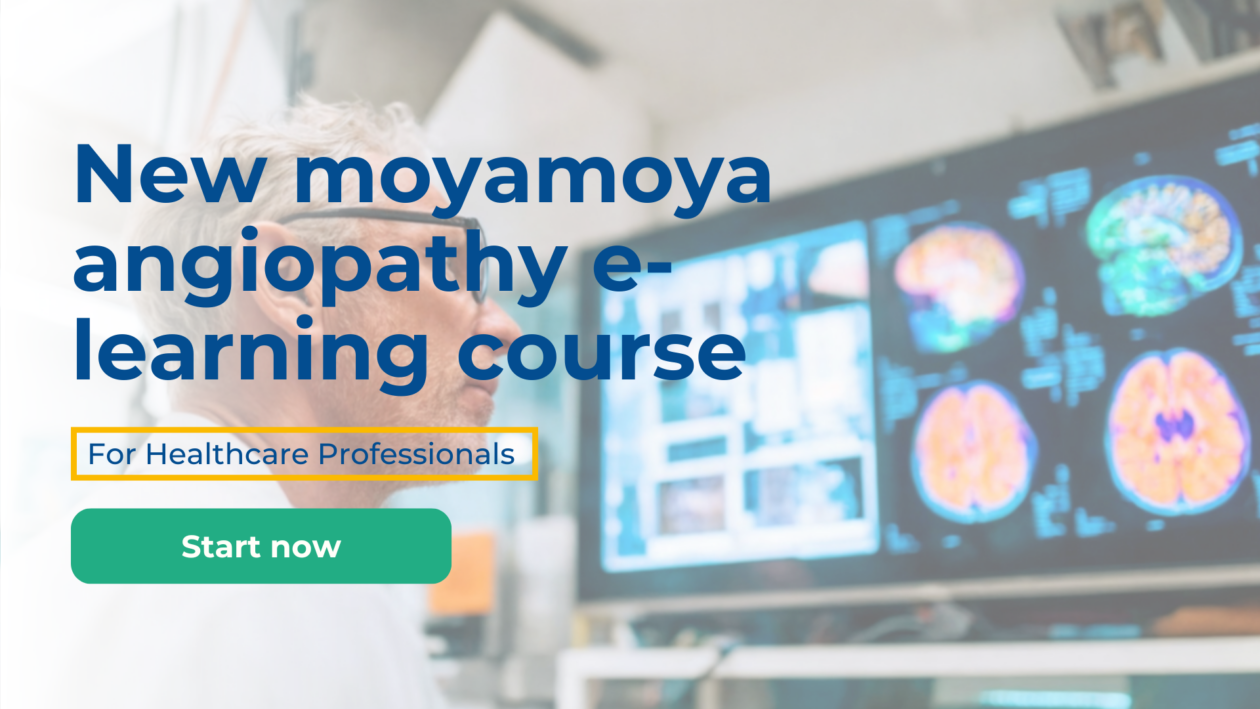
New Moyamoya Angiopathy E-Learning Course |
|
We're excited to announce a comprehensive online e-learning course on Moyamoya angiopathy, now available to healthcare professionals worldwide. This self-paced course covers diagnosis, management, and the latest evidence-based approaches to this rare cerebrovascular condition. |
|
|
| |
|
VASCERN Coordinator Role – Applications Open |
|
VASCERN is seeking a dynamic professional to serve as our next Network Coordinator. This leadership role involves managing network activities, facilitating collaboration among 30+ expert centres across Europe, coordinating working groups, and representing VASCERN at European and international levels. |
|
|
| |
|
Marfan Awareness Month |
|
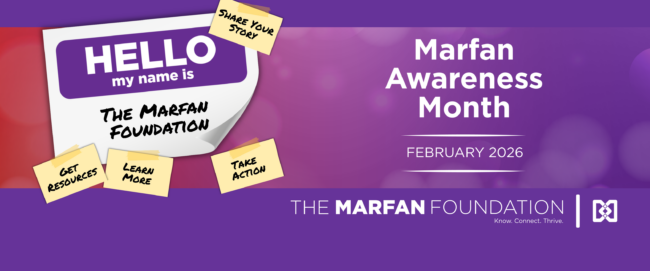
February is Marfan Awareness Month. Marfan Syndrome is a genetic disorder affecting the body's connective tissue, with potential impacts on the heart, blood vessels, bones, joints, and eyes. Early diagnosis is critical for preventing life-threatening complications. Learn about the signs, diagnosis, and how VASCERN supports people affected by Marfan syndrome. |
|
|
| |
|
ESO-VASCERN Webinar Recording |
|
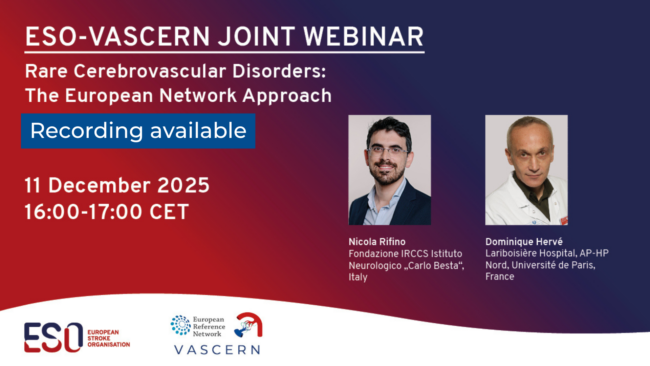
The full recording of our recent webinar with the European Stroke Organisation is now available on demand. Leading European experts discussed diagnosis, management, and latest research on rare cerebrovascular disorders including cerebral cavernous malformations, hereditary haemorrhagic telangiectasia, and CADASIL. |
|
|
| |
|
European Parliament Public Consultation Report |
|
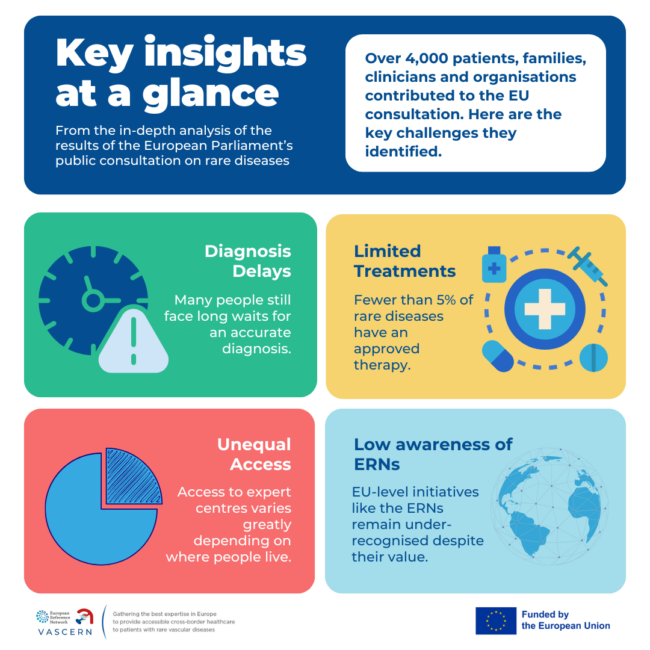
The European Parliament has published findings from its public consultation on rare diseases. This report captures input from patients, professionals, and stakeholders across Europe and will help shape future EU rare disease policy. |
|
|
| |
|
Kaposiform Haemangioendothelioma Diagnostic Pathway |
|
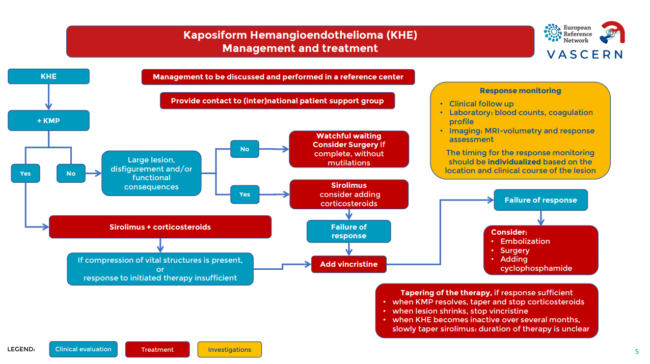
Our new diagnostic pathway provides step-by-step guidance for recognising and diagnosing kaposiform haemangioendothelioma (KHE), a rare vascular tumour primarily affecting infants and young children. Developed by VASCERN experts, it includes clinical photographs, diagnostic algorithms, and red flag symptoms to help reduce diagnostic delays. |
|
|
| |
|
Our Rare Disease and Transversal Working Groups continue to create practical tools that make care clearer and easier to access. Each resource offers reliable information for patients, families, and healthcare professionals across Europe. |
| |
|
HHT Do's and Don'ts for Pregnancy |
|
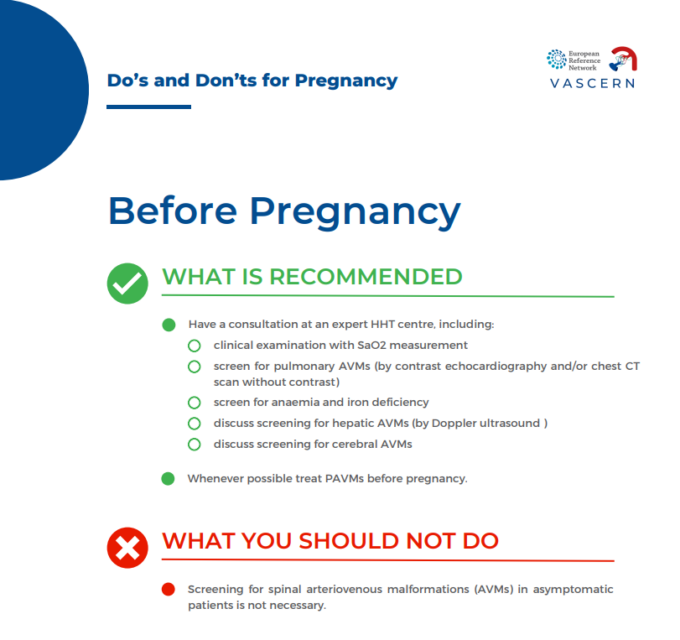
Guidance for healthcare professionals on managing pregnancy in patients with Hereditary Haemorrhagic Telangiectasia. This factsheet covers pre-pregnancy consultation, monitoring during pregnancy, delivery considerations, and post-pregnancy follow-up. |
|
|
| |
|
Marfan Syndrome E-Learning Course |
|
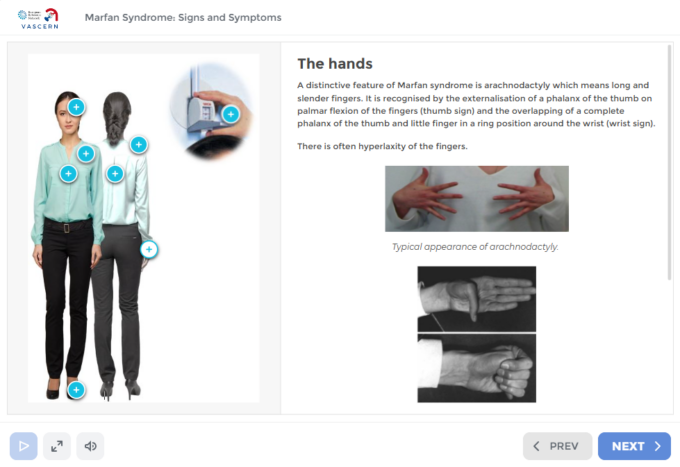
A comprehensive online course designed for healthcare professionals, researchers, and patients covering signs and symptoms, characteristics, patient follow-up, and specific aspects of Marfan Syndrome. |
|
|
| |
|
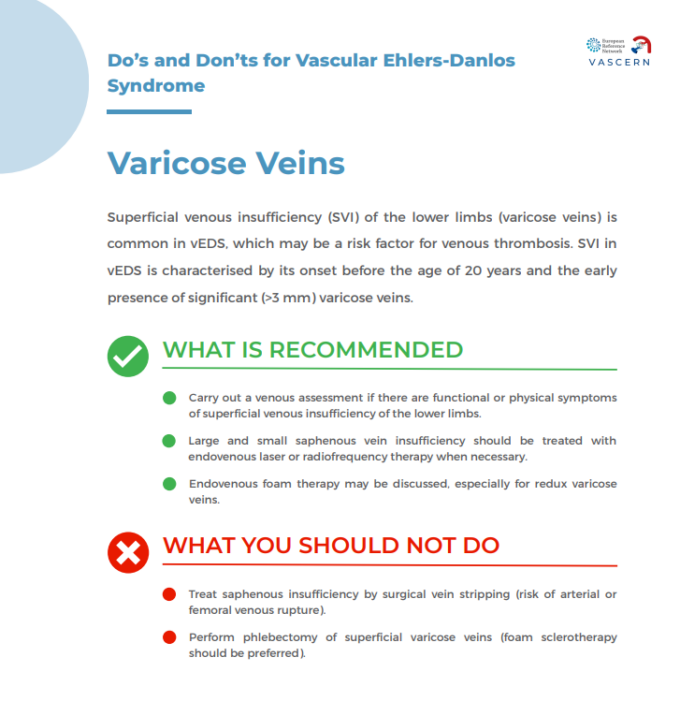
Do’s and Don’ts for Vascular Ehlers-Danlos Syndrome |
|
These factsheets give clear advice for people with vEDS and their healthcare teams. They explain what to do and what to avoid in common situations such as emergencies, pregnancy, and routine care, helping everyone make safer decisions. |
|
|
| |
|
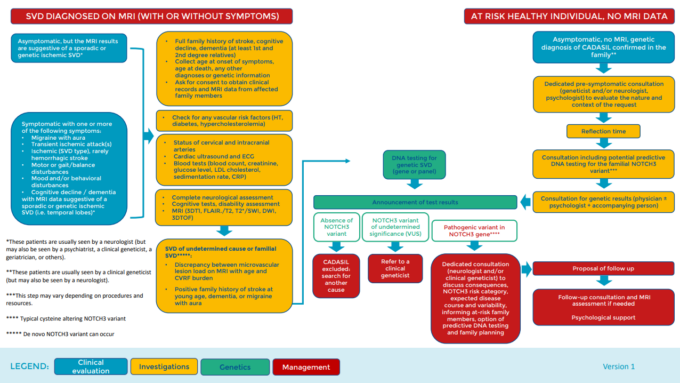
CADASIL Diagnostic Patient Pathway |
|
A diagnostic and management pathway for CADASIL developed by the Neurovascular Diseases Working Group. This pathway guides healthcare professionals through evaluation, genetic testing, and follow-up for symptomatic and asymptomatic patients. |
|
|
| |
|
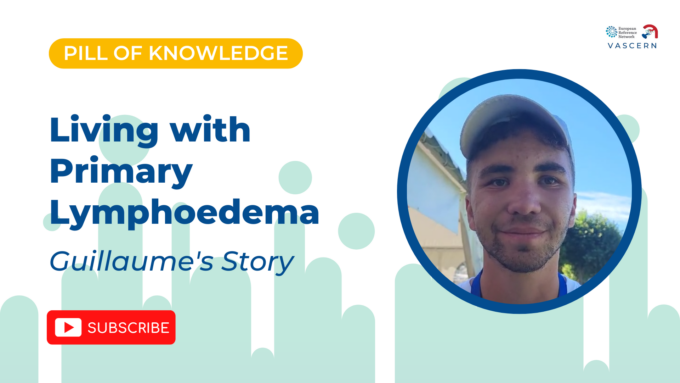
Living with Primary Lymphoedema – Patient Story |
|
In this video, Guillaume shares his experience living with primary lymphoedema that affects both his feet and hands. His message is clear: you can learn to understand your body, take the right steps, and continue doing the things you enjoy while living with lymphoedema. |
|
|
| |
|
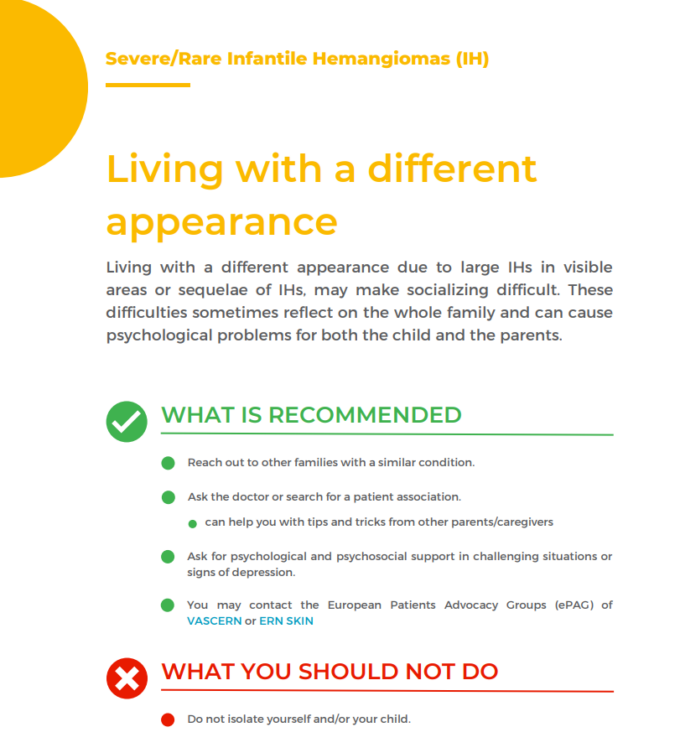
Do's and Don'ts for Severe/Rare Infantile Hemangiomas |
|
Guidance for parents of children with severe and rare infantile hemangiomas covering ulceration, bleeding, treatment with propranolol, PHACES syndrome follow-up, and living with a different appearance. |
|
|
| |
|
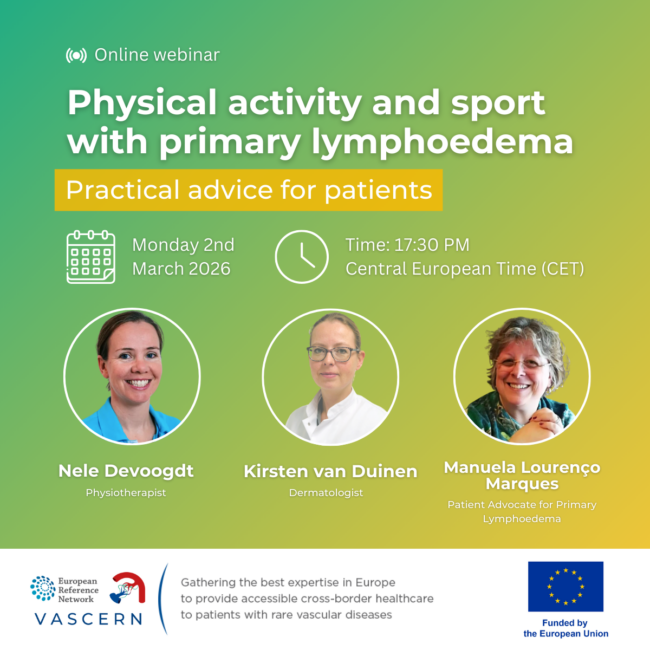
Physical Activity and Sport with Primary Lymphoedema Webinar – 2 March |
|
VASCERN is hosting a webinar on physical activity with primary lymphoedema. Expert speakers Prof Nele Devoogdt and Dr Kirsten van Duinen will provide practical, evidence-based guidance on safe physical activities and sports for patients with primary lymphoedema. The session includes a live Q&A moderated by Manuela Lourenço Marques and is open to patients, families, and caregivers, with live captions available in multiple languages. |
|
|
| |
|
The coming months are full of opportunities to connect, learn, and collaborate on rare disease research and policy. Don’t miss these key events. |
| |
|
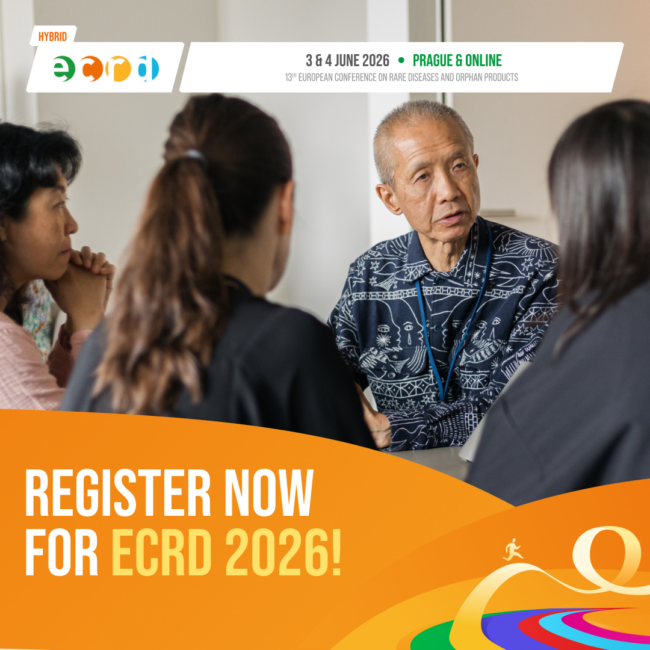
European Conference on Rare Diseases & Orphan Products (ECRD 2026) – 3–4 June 2026, Prague |
|
Europe’s largest rare disease policy event, organised by EURORDIS. This edition will focus on shaping a European Action Plan for Rare Diseases. Poster submissions are open until 6 March 2026. |
|
|
| |
|
Explore current opportunities to collaborate, apply for funding, and share your voice in rare disease research and policy. |
| |
|
IRDiRC Call for Experts 2026 - Deadline 20 February |
|
The International Rare Diseases Research Consortium is inviting experts to join its working groups and committees for 2026. Applications must be submitted by 20 February 2026. This is an opportunity to contribute to global initiatives, shape research priorities, and collaborate with international experts on topics including diagnostics, therapies, data sharing, and patient engagement. |
|
|
| |
|
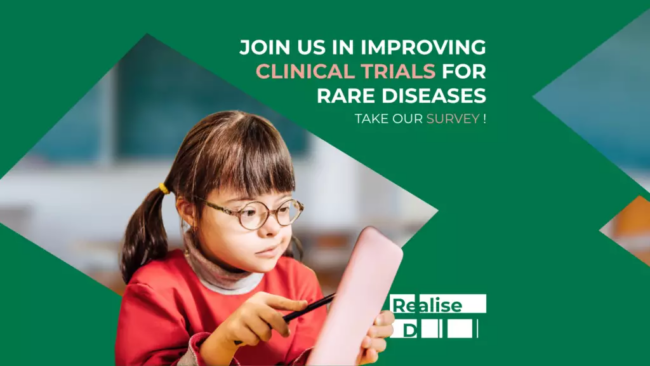
RealiseD Clinical Trial Enrolment Survey – Deadline 15 February |
|
The RealiseD project invites healthcare professionals, patient advocates, researchers, and industry representatives to complete a survey identifying barriers and opportunities in rare disease clinical trial enrolment. This 15-20 minute anonymous survey will inform development of a cross-disease framework to improve trial accessibility and design across Europe. |
|
|
| |
|
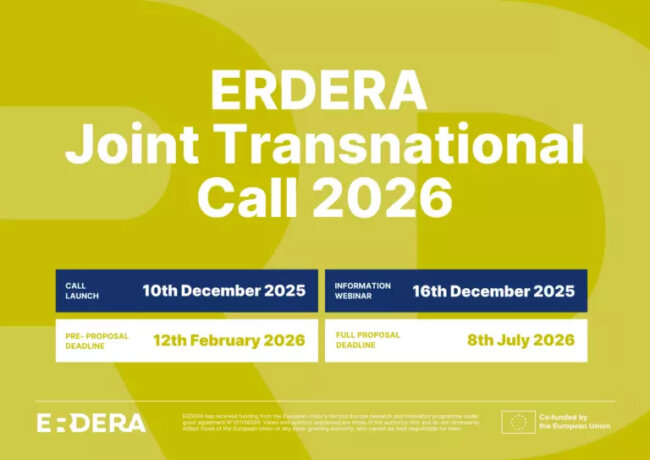
ERDERA Transnational Call 2026 – Pre-Proposal Deadline 12 February |
|
The European Rare Diseases Research Alliance has launched its 2026 transnational call for collaborative research projects with €18 million in total funding. Pre-proposals must be submitted by 12 February 2026. The call is open to multinational research consortia focused on basic, translational, and clinical research addressing unmet medical needs in rare diseases. |
|
|
| |
 |
|
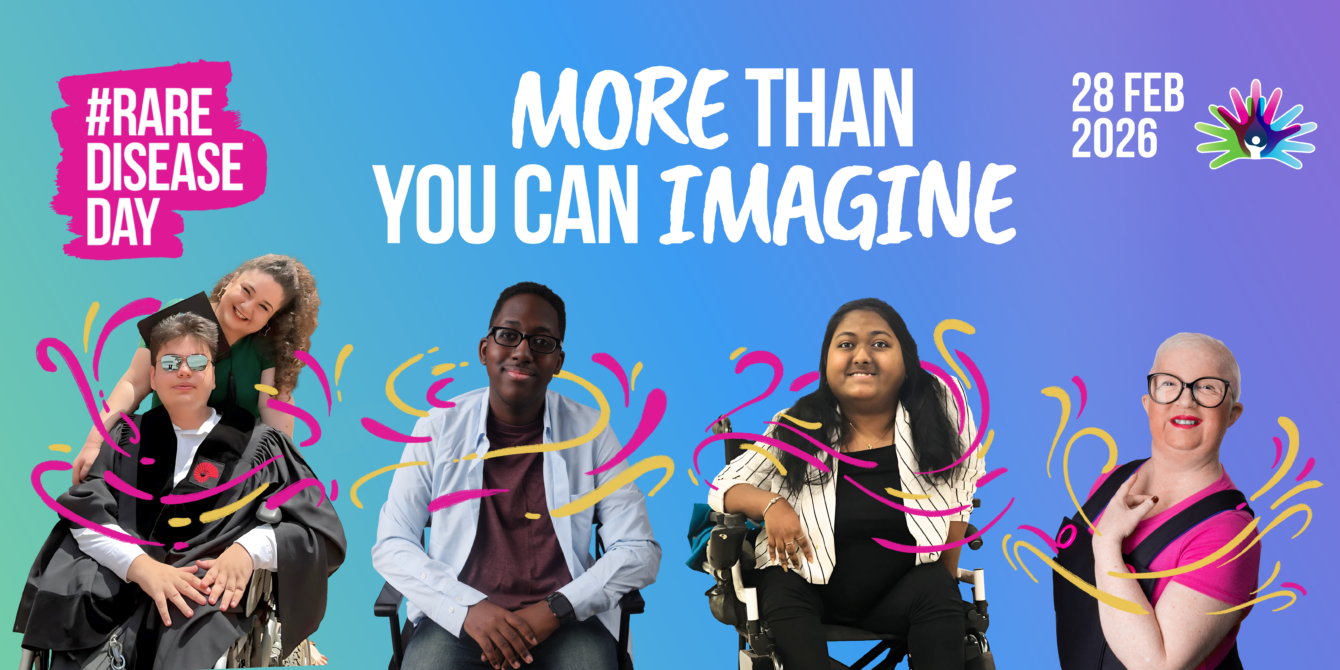
Rare DIsease Day 2026 |
|
Join us in marking Rare Disease Day on 28 February. This year's theme focuses on equity in access to diagnosis, treatment, and care for people living with rare diseases. VASCERN will be sharing patient stories in collaboration with JARDIN this February. Follow us on social media and visit our website to read inspiring stories from the rare vascular disease community and learn how you can get involved in raising awareness. |
|
|
| |
|
Thanks for reading this edition of the VASCERN newsletter and staying connected!
If you haven’t yet, come follow us on Bluesky. Don't miss out on the latest discussions, achievements, and updates on our social media platforms. Follow VASCERN on social media to stay engaged with our vibrant community. |
| |
VASCERN, European Reference Network for Rare Multisystemic Vascular Diseases
46 Rue Henri Huchard, 75018 Paris, France
| |
|