|
This newsletter has some key updates from the European Reference Network (ERN) monitoring report that's just been published, a new study on the 'second hit' mechanism in HHT and a ESO–VASCERN webinar that's coming up in December. You can still get involved in the Rare Barometer survey. You'll find all the highlights, plus resources from our working groups, in this issue. |
| |
 |
|
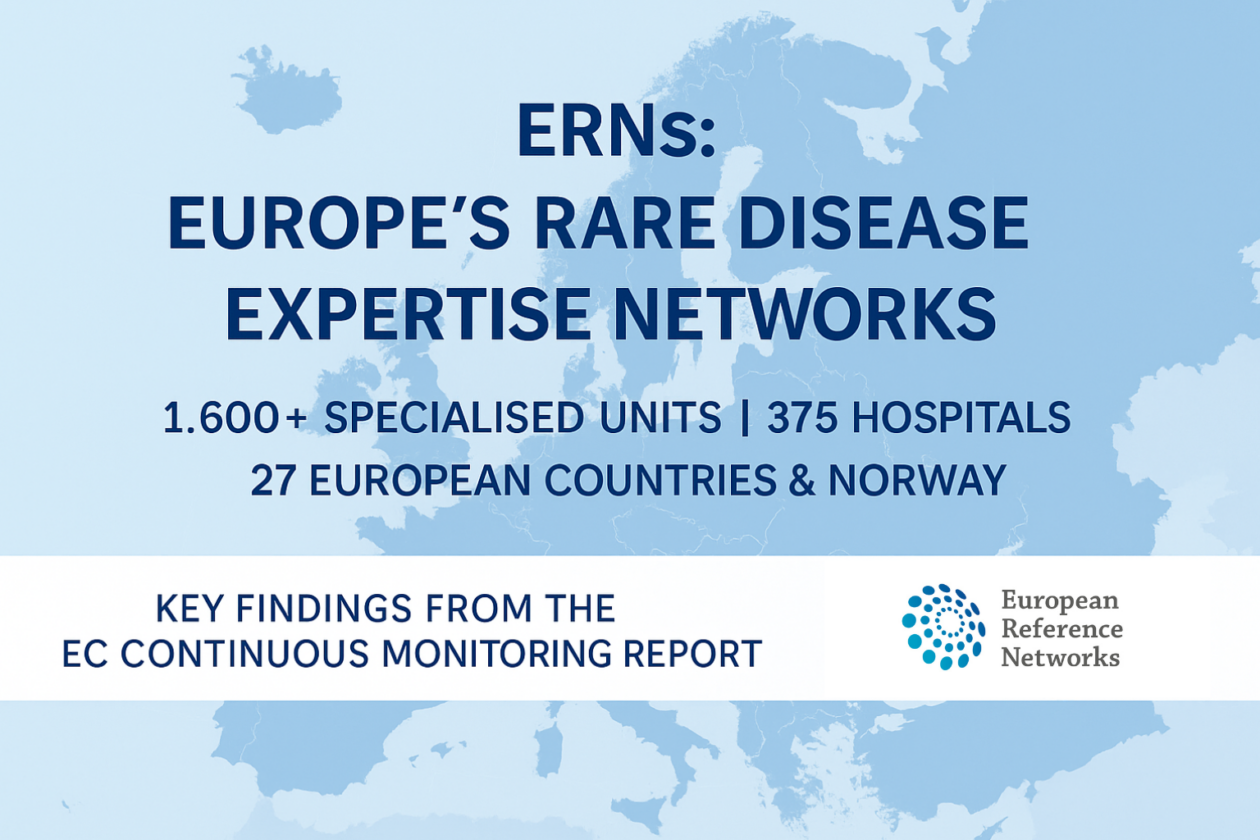
The first ERN monitoring report is here |
|
The European Commission has published the first ERN Monitoring Report, offering a clear picture of how the 24 Networks have grown and what this progress means for people living with rare diseases. The report shows a 160 percent rise in new patient referrals since 2017 and highlights how ERNs are strengthening expertise, cross border collaboration, and clinical support across Europe. |
|
|
| |
|
Applications close for VASCERN Summer School 2026 |
|
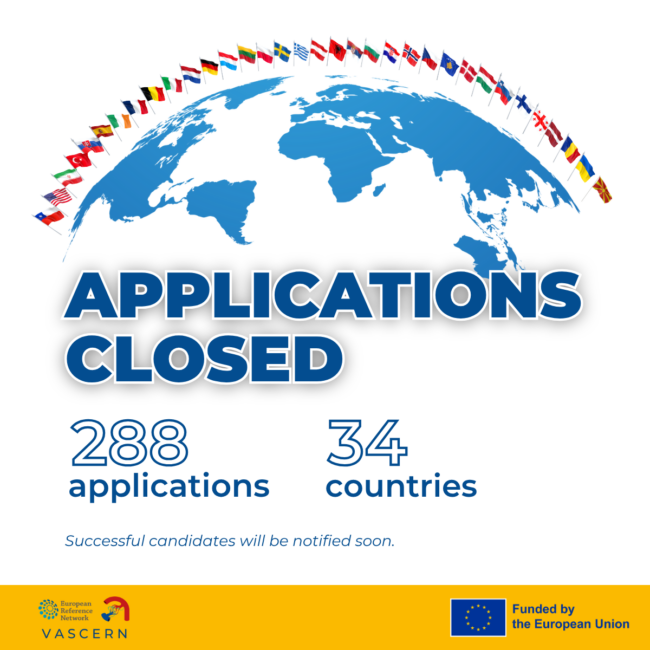
Applications for the 2026 Summer School are now closed. This year, 288 people from 34 countries applied, showing strong interest from young clinicians and researchers in learning more about rare vascular diseases. |
|
|
| |
|
100 Days to Rare Disease Day 2026 |
|
The countdown to Rare Disease Day 2026 has begun. This year's campaign focuses on equity and representation, with a new video sharing the stories of five people living with rare conditions. National alliances and patient groups are already spreading the message as preparations start across Europe and beyond. |
|
|
| |
|
Multiple Lesion-Specific Somatic Mutations and Bi-Allelic Loss of ACVRL1 in HHT |
|
A new study analysed several telangiectasias and hepatic AVMs from one patient with HHT. Researchers found different somatic ACVRL1 mutations in multiple lesions, supporting the “second-hit” mechanism behind HHT lesion development. This is the first time deep sequencing has been used on this range of samples from a single patient. |
|
|
| |
|
Our Rare Disease Working Groups continue to create practical tools that make care clearer and easier to access. Each resource offers reliable information for patients, families, and healthcare professionals across Europe. |
| |
|
What ENT doctors should know about HHT |
|
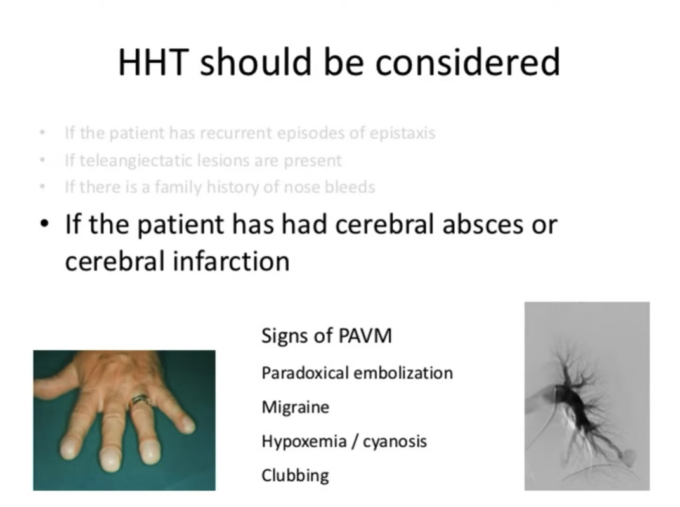
A short video by Prof Anette Kjeldsen explaining how ENT doctors can recognise signs of HHT in patients who present with frequent nosebleeds. It highlights when to suspect HHT and why early referral to an expert centre is important. |
|
|
| |
|
Aortic Surgery in Marfan Syndrome |
|
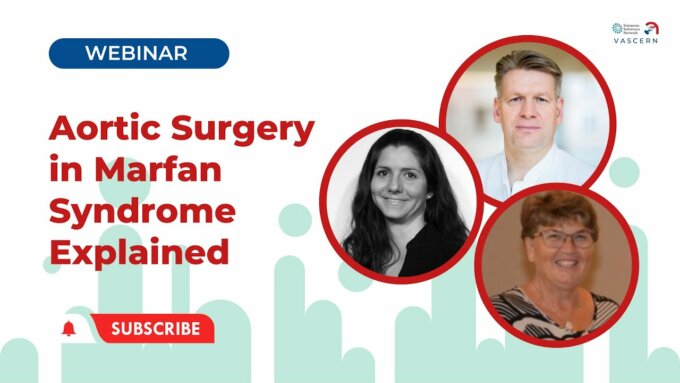
A clear video explanation of aortic surgery for people with Marfan syndrome and other HTADs. Prof Klaus Kallenbach walks through why the surgery is done, how it works, and what patients can expect, followed by a Q&A session. |
|
|
| |
|
Do’s and Don’ts for Vascular Ehlers-Danlos Syndrome |
|
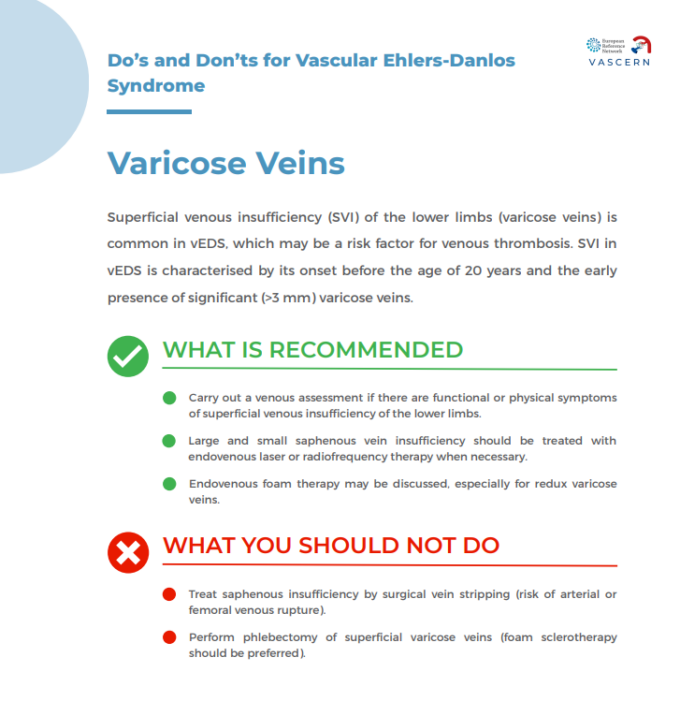
These factsheets give clear advice for people with vEDS and their healthcare teams. They explain what to do and what to avoid in common situations such as emergencies, pregnancy, and routine care, helping everyone make safer decisions. |
|
|
| |
|
Is there a caucasian type of Moyamoya? |
|
A detailed session with Prof Markus Kramer exploring how Moyamoya presents in Caucasian populations. This webinar replay covers clinical features, diagnosis, genetic insights, and current treatment approaches. |
|
|
| |
|
General Patient Pathway for Pediatric and Primary Lymphoedema (PPL) |
|
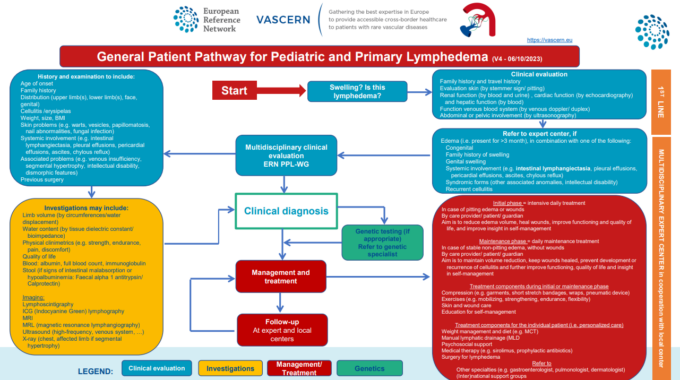
A step-by-step pathway that explains how paediatric and primary lymphoedema should be diagnosed, treated, and followed up. It is designed to support clinicians and help ensure consistent care. |
|
|
| |
|
Pregnancy and Family Planning for Vascular Anomalies |
|
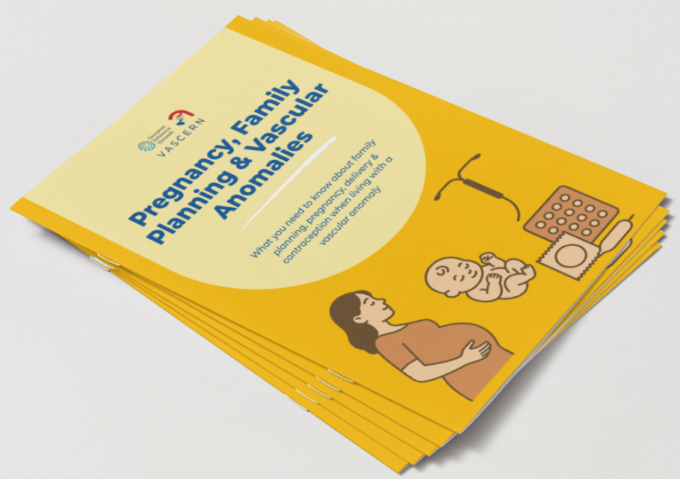
A practical booklet for people with vascular anomalies who are planning a family or already expecting. It gives practical information on pregnancy, contraception, medication, and care during and after pregnancy, with advice for both women and men. |
|
|
| |
|
ESO–VASCERN Joint Webinar: Rare Cerebrovascular Disorders – 11 December 2025 |
|
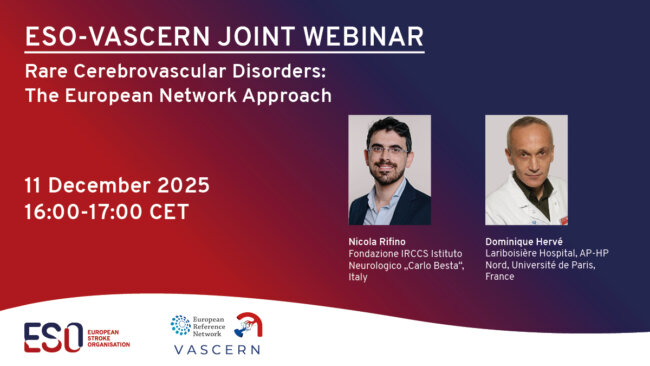
Join the European Stroke Organisation and VASCERN on 11 December 2025 for a webinar on tools that support the diagnosis and care of CADASIL and Moyamoya Angiopathy. Two experts from the VASCERN Neurovascular Diseases (NEUROVASC) group will present practical resources, followed by an interactive discussion. |
|
|
| |
|
The coming months are full of opportunities to connect, learn, and collaborate on rare disease research and policy. Don’t miss these key events. |
| |
|
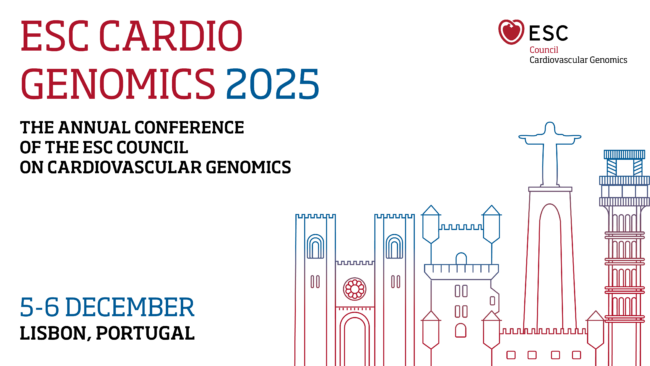
ESC Cardio Genomics 2025 – 5–6 December, Lisbon |
|
This two-day conference will gather experts in inherited cardiovascular and vascular diseases to discuss new findings in genetics, diagnosis, and personalised care. |
|
|
| |
|
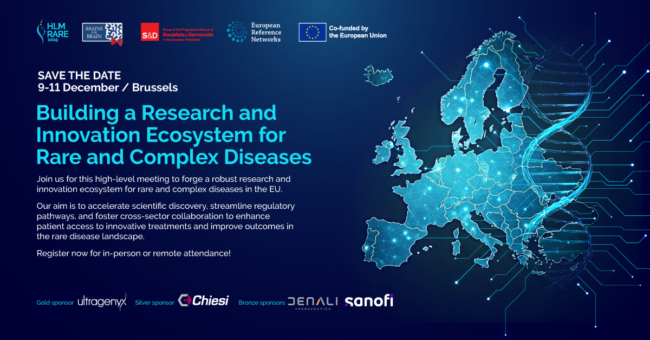
High-Level Meeting on European Research and Innovation for Rare Diseases – 9–11 December, Brussels |
|
Taking place in Brussels, this three-day meeting organised by the European Commission will bring together policymakers, patient advocates, and researchers to explore ways to advance research and innovation in rare diseases. |
|
|
| |
|
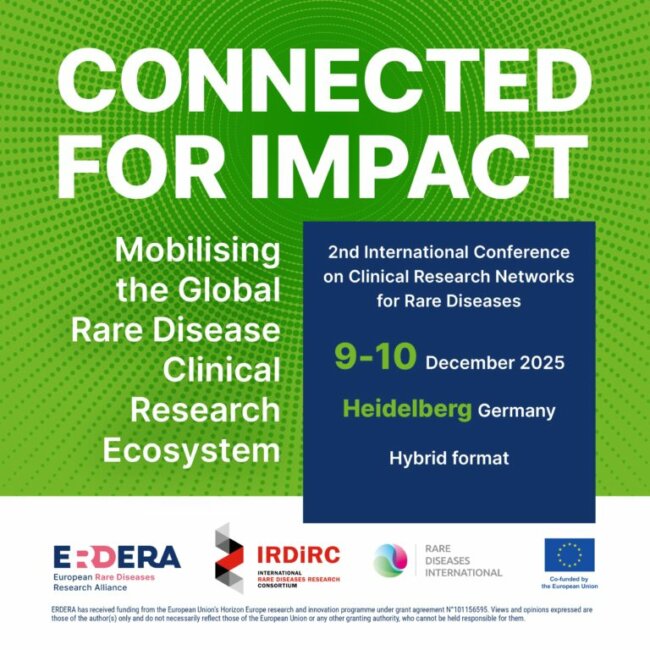
2nd International Conference on Clinical Research Networks for Rare Diseases – 9–10 December 2025 |
|
Held over two days, this global forum focuses on improving collaboration between rare disease research networks and strengthening data sharing across Europe. |
|
|
| |
|
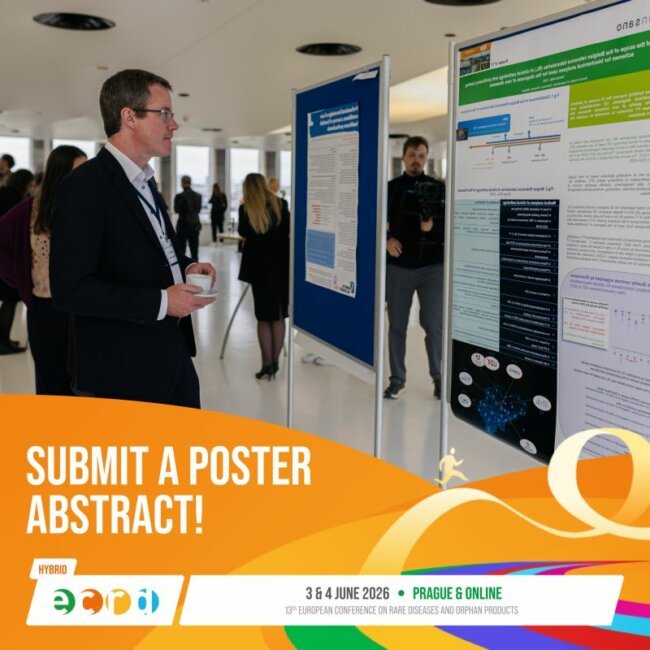
European Conference on Rare Diseases & Orphan Products (ECRD 2026) – 3–4 June 2026, Prague |
|
Europe’s largest rare disease policy event, organised by EURORDIS. This edition will focus on shaping a European Action Plan for Rare Diseases. Poster submissions are open until 6 March 2026. |
|
|
| |
|
Explore current opportunities to collaborate, apply for funding, and share your voice in rare disease research and policy. |
| |
|
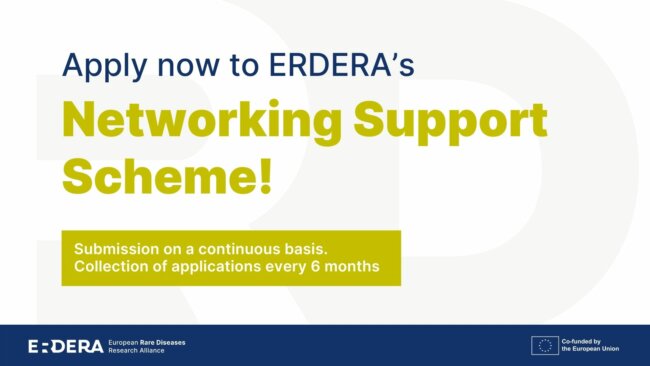
ERDERA Networking Support Scheme – Round 2 |
|
The second call for proposals is open to fund networking events on rare diseases and rare cancers. Eligible projects can receive up to €30,000 to support knowledge sharing and collaboration. The deadline is 7 April 2026 at 14:00 CET. |
|
|
| |
|
ERDERA 2026 Joint Transnational Call |
|
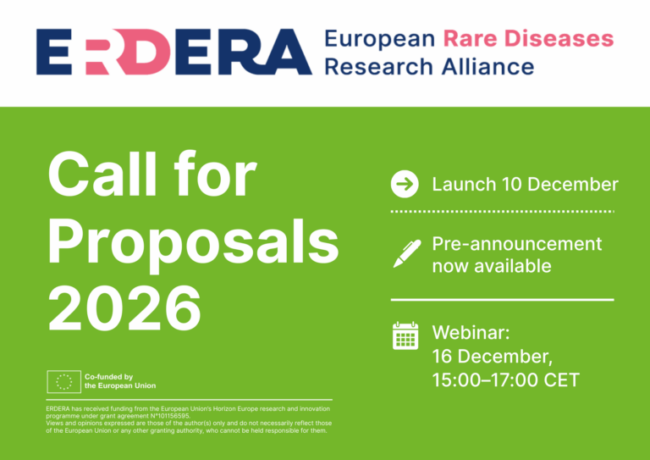
The European Rare Disease Research Alliance (ERDERA) will launch its 2026 Joint Transnational Call on 10 December 2025, focused on “Resolving unsolved cases in rare genetic and non-genetic diseases through variant validation and new technological approaches.” An information webinar for applicants will take place on 16 December 2025, 15:00–17:00 CET. |
|
|
| |
|
Rare Barometer Survey – Last chance ! |
|
People living with rare or undiagnosed conditions can still take part in the EURORDIS Rare Barometer survey. Your feedback will help shape rare disease policy and improve healthcare in Europe. |
|
|
| |
|
Thanks for reading this edition of the VASCERN newsletter and staying connected!
If you haven’t yet, come follow us on Bluesky. Don't miss out on the latest discussions, achievements, and updates on our social media platforms. Follow VASCERN on social media to stay engaged with our vibrant community. |
| |
VASCERN, European Reference Network for Rare Multisystemic Vascular Diseases
46 Rue Henri Huchard, 75018 Paris, France
| |
|